Thanks, glad those two rules landed. The border doing design work is exactly how I think of it, and the shared-tile bonus is there for the reason you describe.
On the spawn odds: they’re even. Each piece’s hand direction is picked uniformly from the four, apart from the 3-block angle, where the directions are fixed by the shape so a route can run through the bend. I haven’t biased them using the bot. The bot is there for performance and regression checks, such as frame rate, spikes and heat on real phones, and to catch changes that make the game slower or harder to play. I haven’t used it yet to tune direction value.
Your question did make me look closer at the edge rule, though. With even odds, about 1 in 4 edge tiles points toward its own side and can’t start a route, and about 2 in 4 on corners. Once the bot’s games are seeded, I want to measure whether any direction ends up noticeably more or less valuable, and adjust the odds if it does.


Thanks, glad those two rules landed. The border doing design work is exactly how I think of it, and the shared-tile bonus is there for the reason you describe.
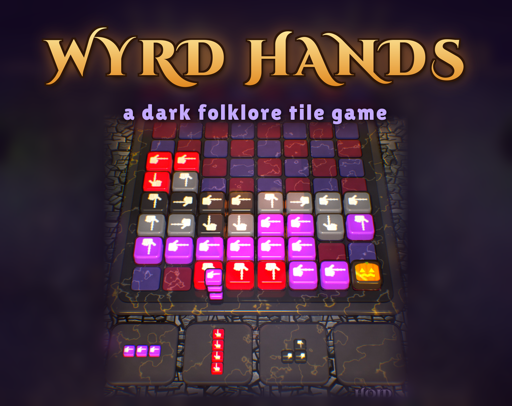
On the spawn odds: they’re even. Each piece’s hand direction is picked uniformly from the four, apart from the 3-block angle, where the directions are fixed by the shape so a route can run through the bend. I haven’t biased them using the bot. The bot is there for performance and regression checks, such as frame rate, spikes and heat on real phones, and to catch changes that make the game slower or harder to play. I haven’t used it yet to tune direction value.
Your question did make me look closer at the edge rule, though. With even odds, about 1 in 4 edge tiles points toward its own side and can’t start a route, and about 2 in 4 on corners. Once the bot’s games are seeded, I want to measure whether any direction ends up noticeably more or less valuable, and adjust the odds if it does.